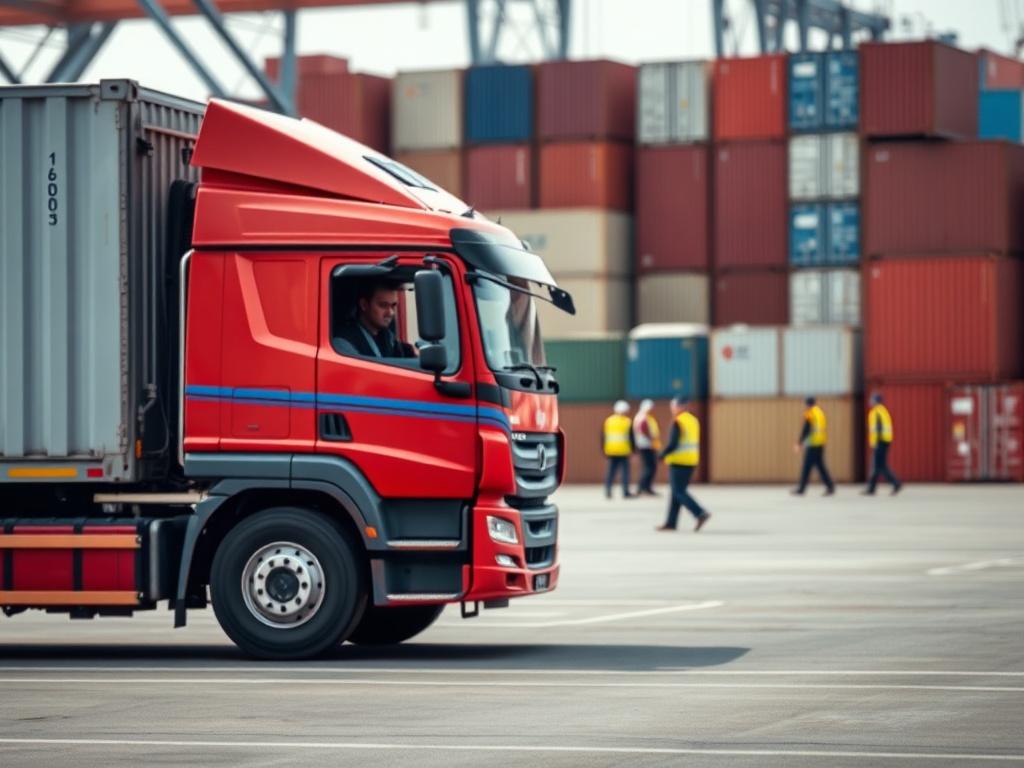
When most people imagine shipping freight, they picture trucks rumbling down long stretches of highway, loaded with pallets and crates. And sure, that’s part of it — but it’s only a fraction of what the world of transport freight services actually includes. Modern logistics is an interconnected system of air routes, rail lines, ocean lanes, warehouses, and last-mile carriers working in constant motion. If you’ve ever wondered how goods make it from Point A to Point B (or C… or D), the answer is rarely simple. Freight moves through a mix of methods, each designed for a specific purpose.
And understanding those options? That’s how businesses make smarter decisions, save money, and avoid delays that ripple through their entire operation.
Let’s break down the major types of transport freight services — along with when, why, and how each one is used.
1. Full Truckload Freight (FTL)
When a shipper has enough cargo to fill an entire truck, FTL is the most efficient choice. The truck goes directly from pickup to delivery without stopping to unload freight from other companies. It’s faster. It’s more secure. And it’s ideal for companies moving large, time-sensitive, or high-value shipments.
That said, it’s not always the cheapest option. If you don’t have enough freight to justify a full 53-foot trailer, you might be paying for space you don’t need.
2. Less-Than-Truckload Freight (LTL)
This is where efficiency gets interesting. LTL shipments combine freight from multiple businesses into a single truck, sharing costs and space. It’s a great option for small and mid-sized loads — and for companies that ship frequently but not in massive volume.
However, LTL shipments often move through hubs and terminals, which can add time. More touchpoints mean slightly more handling, too. It’s a balance of cost savings versus speed.
3. Intermodal Freight
If sustainability, cost control, or long-distance efficiency matter, intermodal is worth exploring. This approach uses multiple modes of transportation — typically rail plus truck — without ever unloading the freight from the container.
Rail is incredibly fuel-efficient, making it a smart choice for long hauls. Trucks handle the pickup and final delivery. The combination creates a flexible, cost-effective way to move freight across the country while reducing environmental impact.
4. Air Freight
When time is the defining factor, air freight wins every time. It’s the fastest, most direct way to move cargo domestically or internationally.
But speed comes with a price. Air freight is often the most expensive option, so it’s typically reserved for urgent shipments, high-value products, or goods with short shelf lives.
5. Ocean Freight
On the opposite end of the spectrum is ocean freight. Slower? Yes. But essential? Absolutely. It’s the backbone of global trade, capable of moving enormous quantities of goods at the lowest cost per unit.
There are two main types
• FCL (Full Container Load)
• LCL (Less-Than-Container Load)
Much like FTL vs. LTL, the choice depends on how much cargo you’re moving and how fast you need it.
6. Specialized Freight Services
Some cargo refuses to fit neatly into a standard shipping process. Oversized machinery. Hazardous materials. Temperature-controlled pharmaceuticals. Fragile electronics. These require specialized transport freight services built around strict regulations, specific equipment, and highly trained carriers.
It’s a niche category — and one where experience matters more than anything else.
Choosing the Right Freight Service
The “right” solution depends on the specific shipment, budget, timing, and destination. But one constant remains: having a freight partner who understands the nuances of logistics makes every decision easier. Companies that have spent decades refining their processes — like Gold Star Transportation, which has been evolving with the industry since 1982 — bring clarity to a complicated landscape.
If you want help determining which transport freight services fit your needs, reach out to Gold Star Transportation to get tailored guidance.